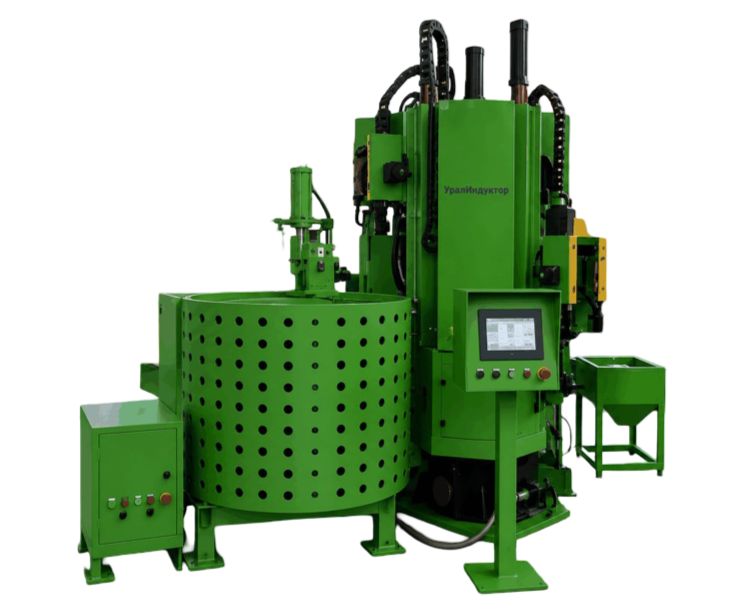
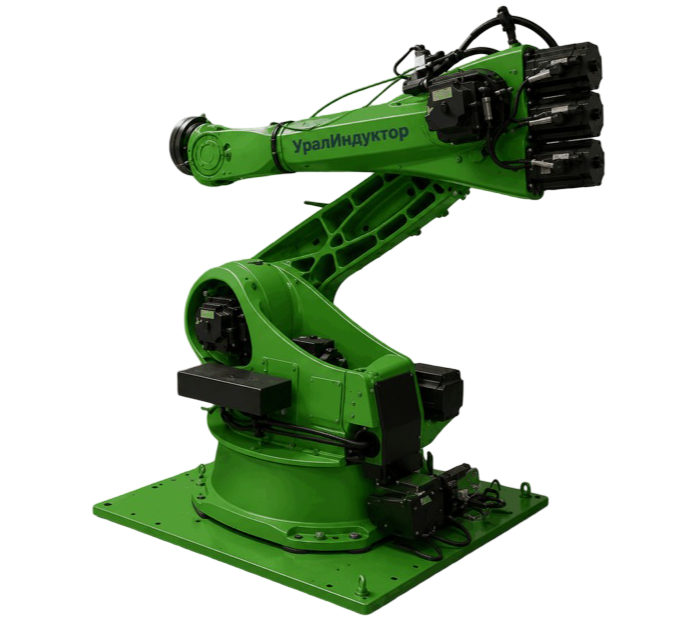
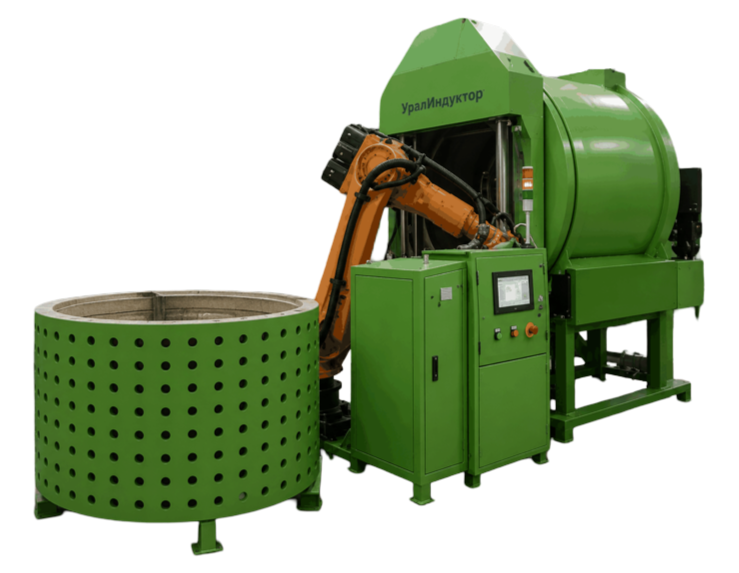
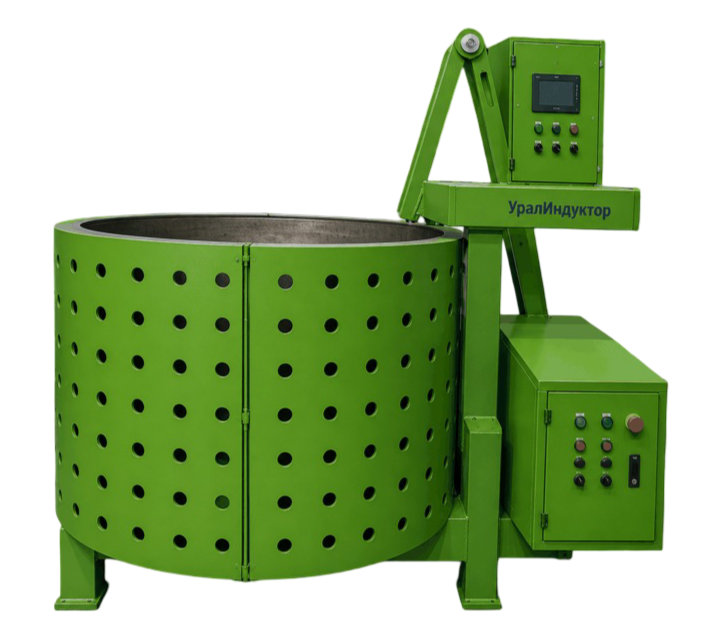
Automation of model automata and ceramics
Automation reduces the share of manual operations and stabilizes the cycle. We calculate the expected effect from the customer's current route and required cycle time.
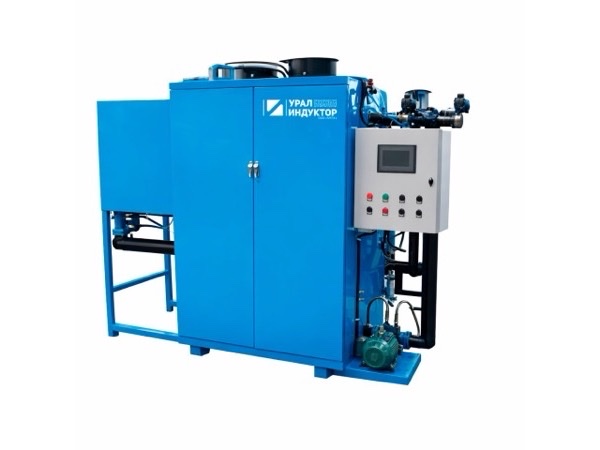
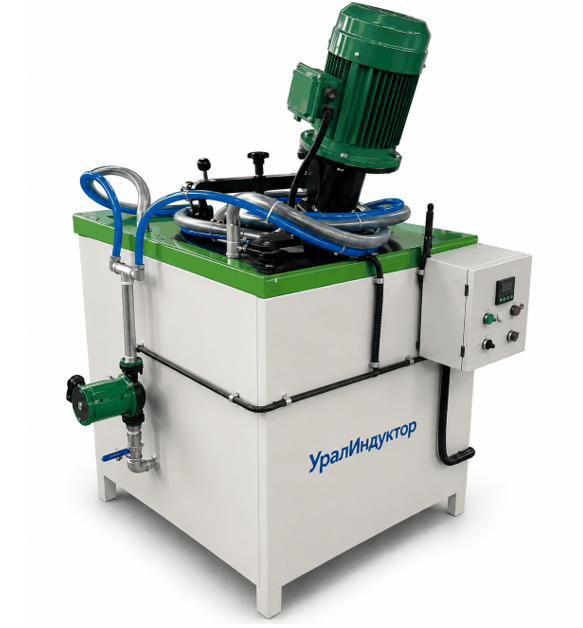
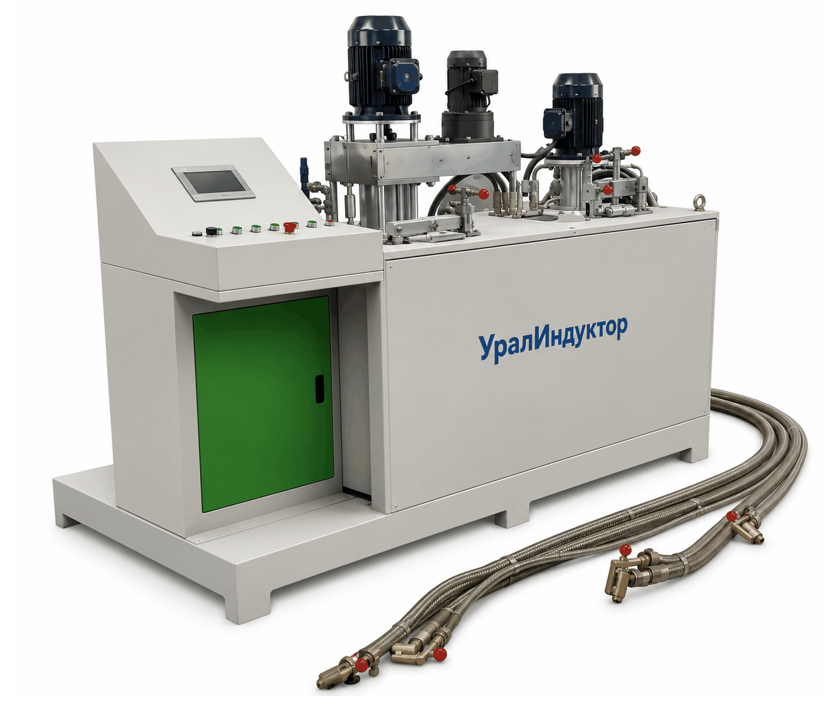
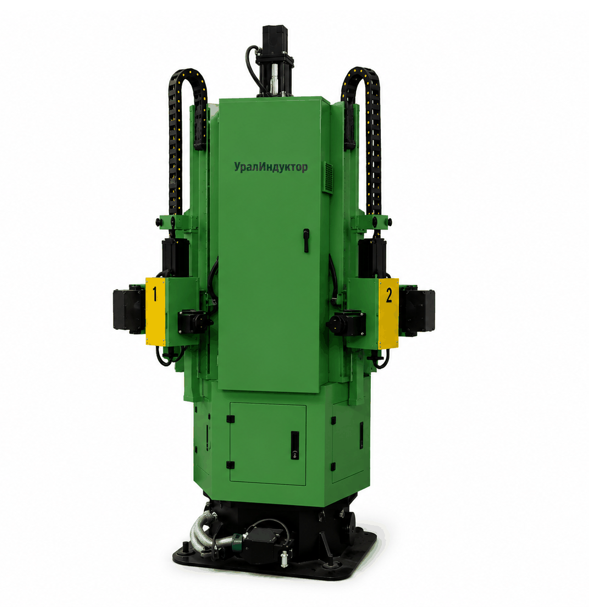
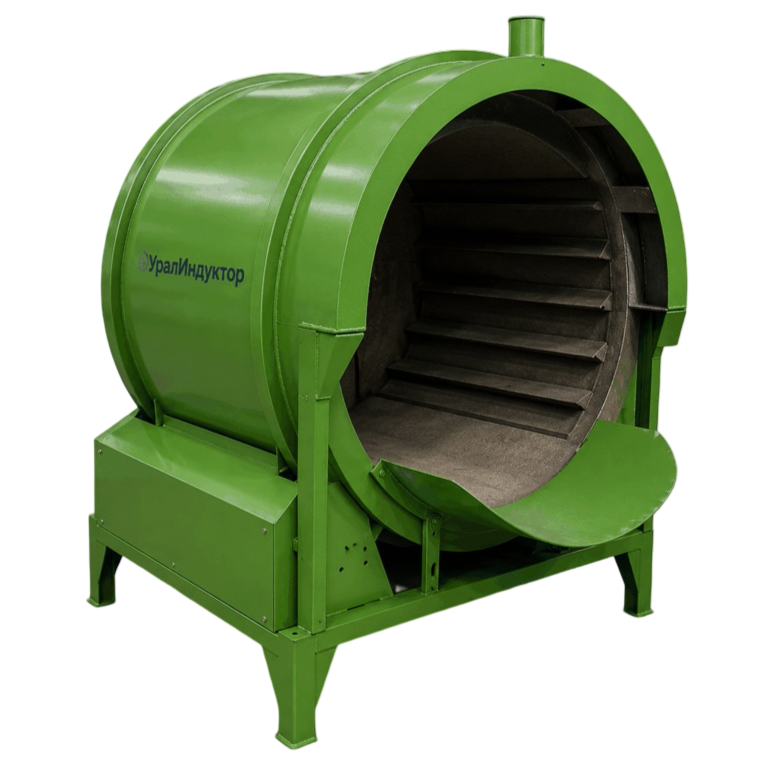
Equipment for the pattern and ceramic sections: wax preparation and injection, cluster assembly, shell application and drying, dewaxing, cleaning and reclamation. We calculate the automation effect and the wax return share from the customer's process.
An engineer will select investment casting equipment for your castings and send you a calculation.
From wax injection machines and autoclaves to wax reclamation systems, dust collection and auxiliary equipment. We agree service and the supply of spare parts kits as part of the project.


4 typical injection molding pain points — and how we close them technologically.
Automation reduces the share of manual operations and stabilizes the cycle. We calculate the expected effect from the customer's current route and required cycle time.
The accuracy of temperature holding depends on the chosen machine and the configured mode. Automation reduces the risk of overheating and pattern deformation.
We determine the material balance and the permissible return share for the specific pattern wax after analyzing water, ash content and mechanical impurities.
Monitoring the slurry viscosity and the stuccoing mode helps stabilize the shell thickness. Quality is confirmed by process trials.
Wax patterns are assembled into a cluster, coated with ceramic layer by layer, the pattern wax is melted out and metal is poured into the fired shell. After cooling, the ceramic is removed.
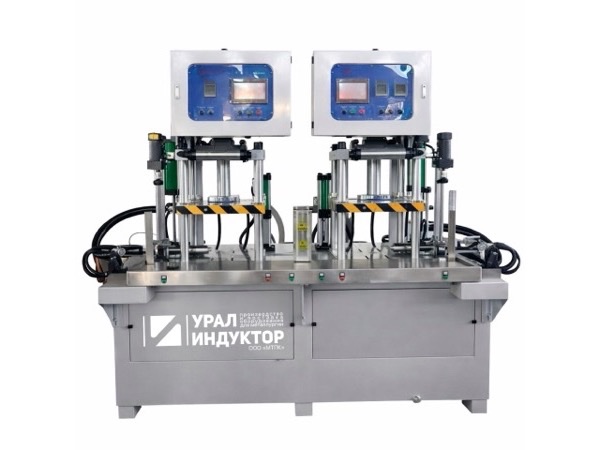
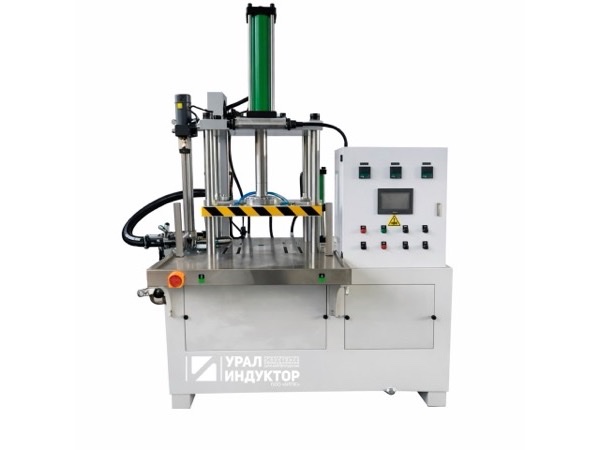
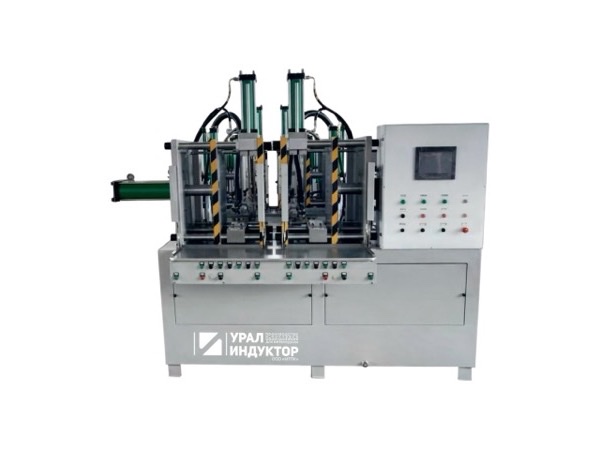
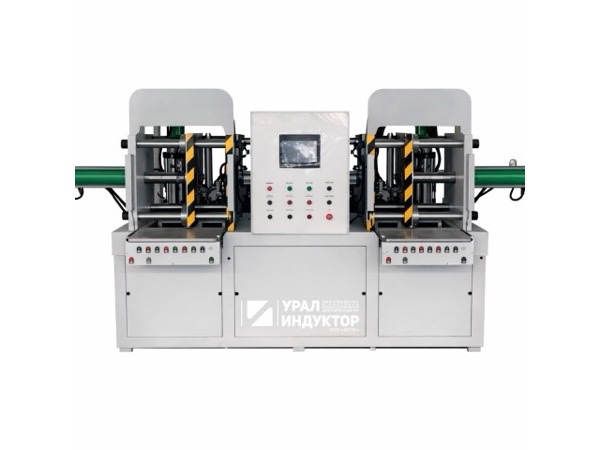
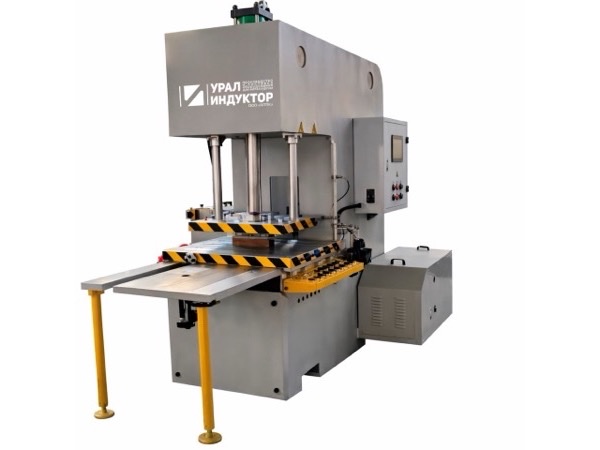
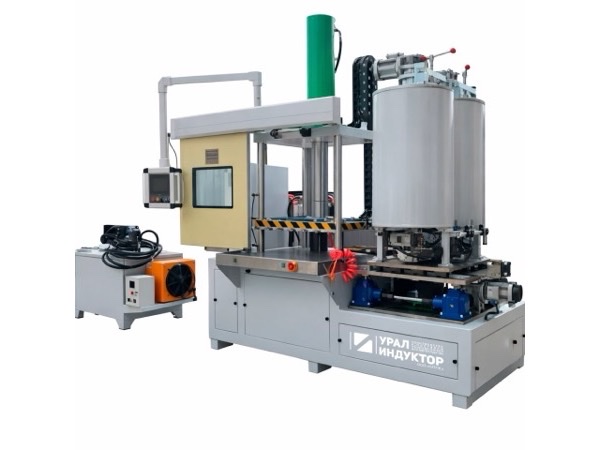
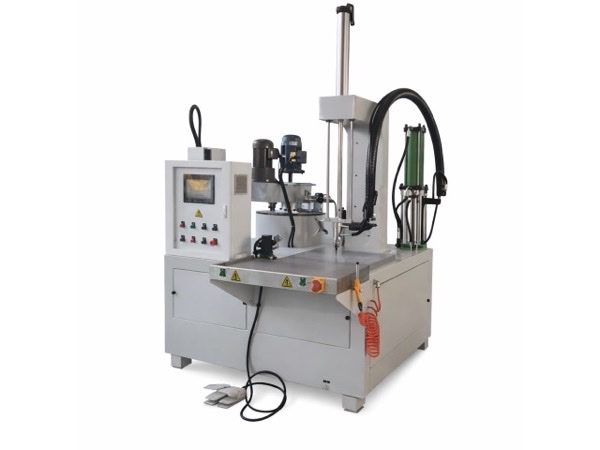
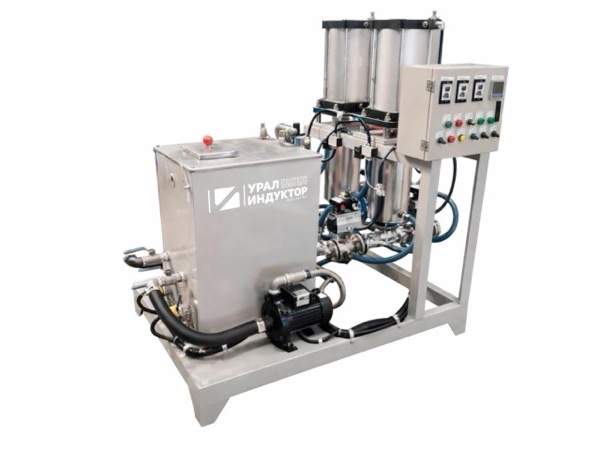
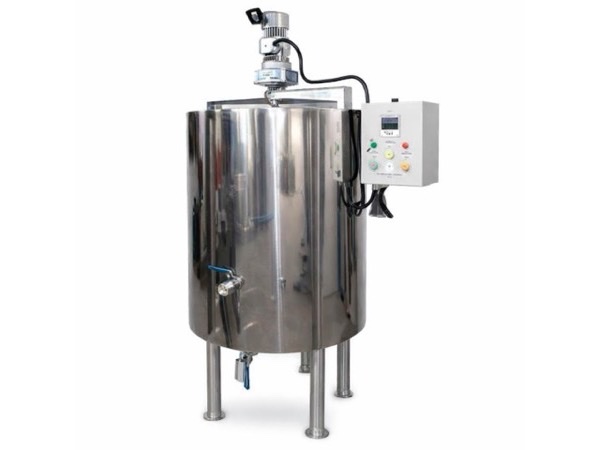
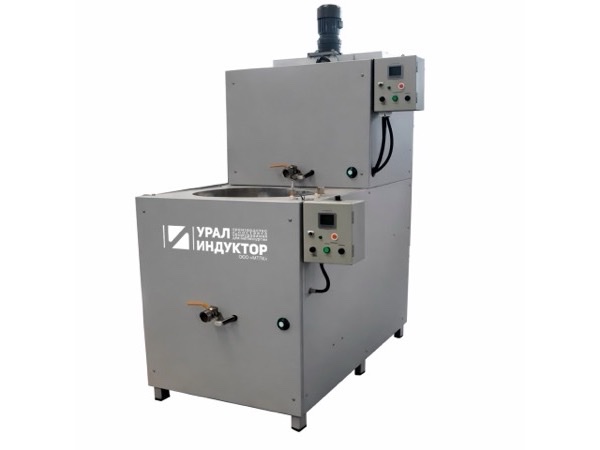
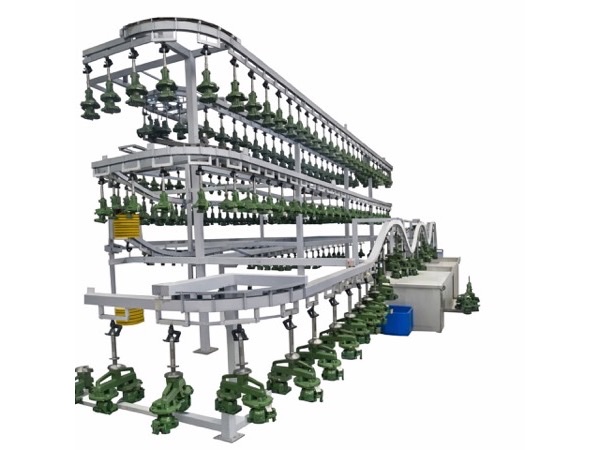
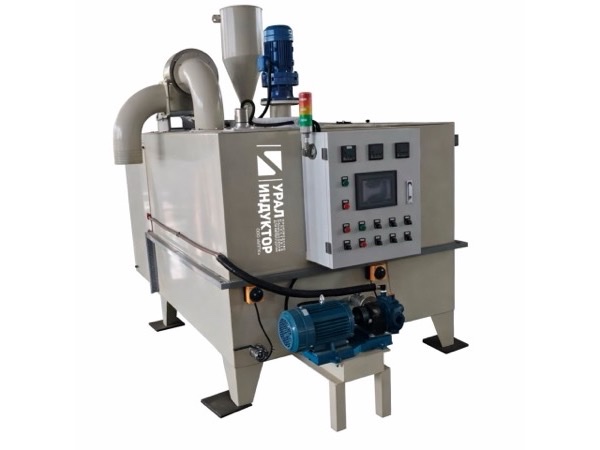
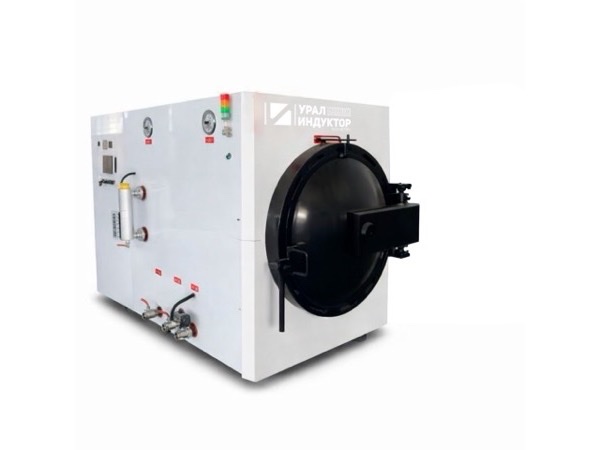
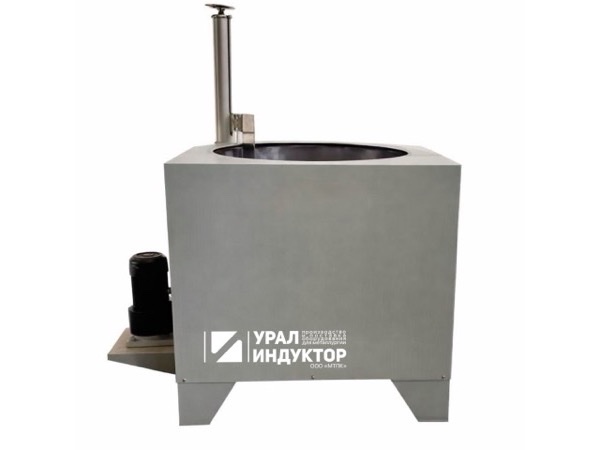
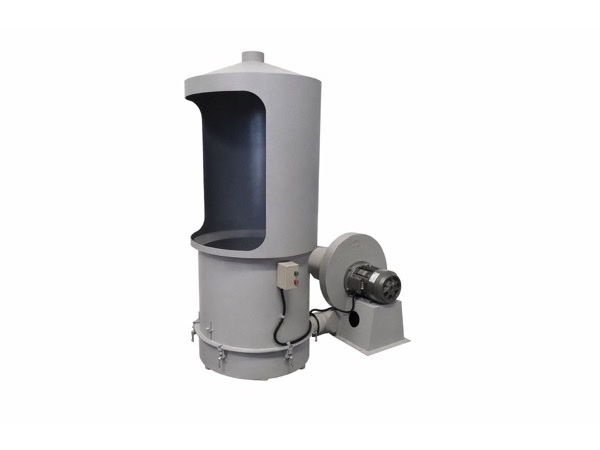
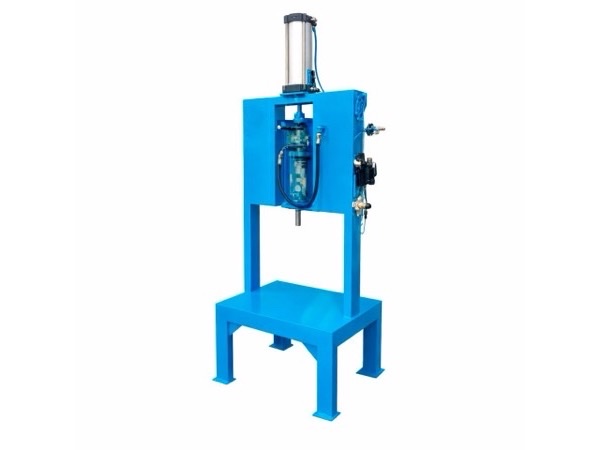
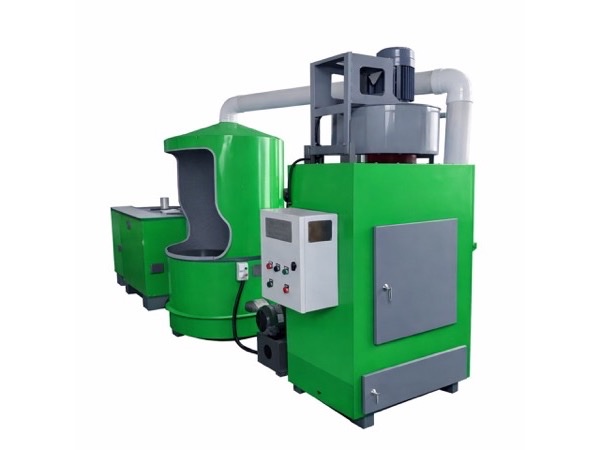
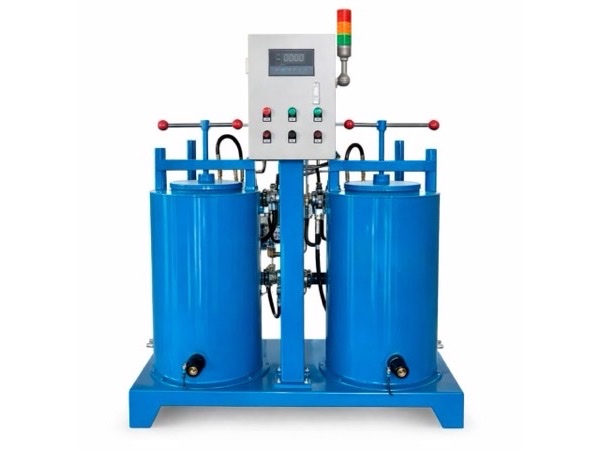
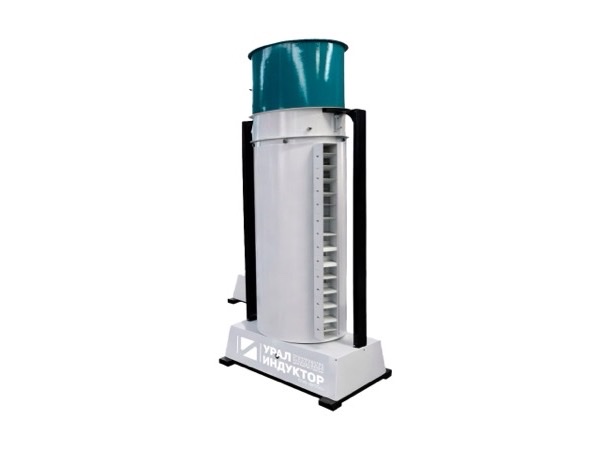
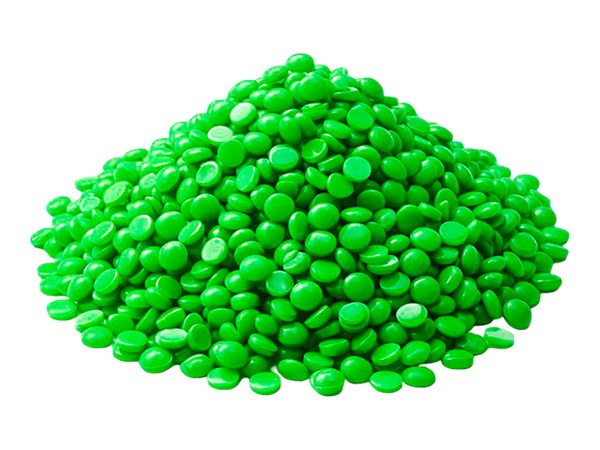
The photos show the principle of the technology and the type of result. The equipment in the images is not a depiction of a UralInduktor supply.
The investment casting engineer will contact you during the working day, clarify the alloy, geometry and circulation - offer a set for your production.
31 equipment items cover 8 functions — from wax preparation and injection to shell making, dewaxing, cleaning and pattern wax return.
Vertical and horizontal machines with one or two stations — for different mold sizes and loading schemes.
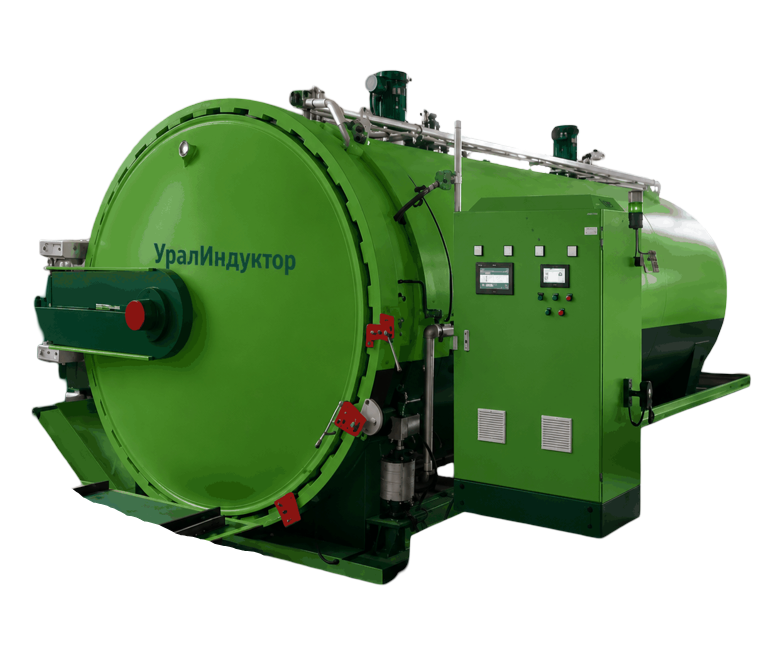
The working pressure of the base range is 0,85 MPa, the design pressure — 0,95 MPa, the working temperature — 185 °C; the mode is set for the pattern wax and the shell.
Stable viscosity, repeatability from party to party.
Smooth powdered with quartz or electrocorundum over the entire surface of the model.
Cleans the melted-out pattern wax of water and mechanical impurities. The permissible return share is determined by wax analysis and the pattern requirements.
Dipping pattern clusters into slurry, stuccoing and inter-operation transfer in the ceramic section.
A pulse-jet filter for quartz, corundum and zircon. We select the air flow and the filter version according to the abrasive and dust load.
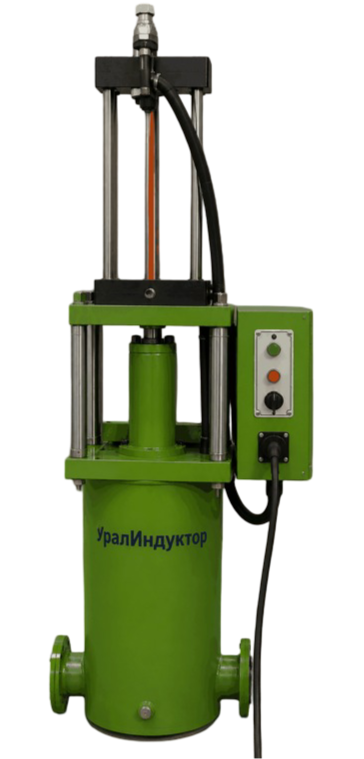
Separates water and mechanical impurities from the wax after the autoclave. The possibility of returning it to the process is determined by analysis of the pattern wax.
UralInduktor is an engineering company: design, supply, supervision and service under one responsibility. Delivery, installation supervision and service in Astana and Kazakhstan.
The engineering center calculates the nodes for your alloy, geometry, circulation and production conditions. We do not sell a catalog - we collect a solution for the task.
We select and supply equipment and line nodes for the project. Entrance control and acceptance by our engineers. ZIP for critical components - from a warehouse in Kazakhstan.
Installation supervision, commissioning, operator training. The term and scope of the warranty are fixed in the contract and in the passport of the specific equipment. We provide service, repair and modernization.
The permissible share of reclaimed wax depends on the wax grade, contamination with water and ceramics, pattern requirements and the necessary refreshing.
We check the parameters on the customer's material and mode
| Parameter | Initial data | Calculation result |
|---|---|---|
| Pattern wax | Grade, price, volume and current losses | Fresh wax demand |
| Contaminants | Water, ash content and mechanical impurities | Cleaning and refreshing scheme |
| Pattern quality | Strength and geometry requirements | Permissible return share |
| Investments | Equipment, energy, personnel and service | Section economic scenario |
by composition, contaminants, program and the cost of fresh wax
The design, manufacturing and commissioning times are determined after the line composition, the technical specification and the site readiness are fixed; the schedule is set in the contract. The leasing terms are confirmed by the selected leasing company.
We clarify the alloy, geometry, program, pattern wax, molds, shell recipe and adjacent sections.
We fix the scope of supply, productivity, layout, utility requirements and the acceptance program.
Node assembly in Kazakhstan. Payment in stages.
We provide installation supervision, set up the wax and ceramic sections, train operators and carry out the agreed process trials.
If you do not find the answer - call, the engineer will deal with your situation personally.
Yes. We supply the wax and ceramic sections, select compatible melting furnaces and firing furnaces, and integrate the equipment into a single cycle with joint commissioning.
Yes, after a survey and interface checks. An engineer takes the measurements and technical data, then we design a compatible unit. We agree the installation plan with the production schedule to reduce the necessary downtime.
The cost depends on productivity, the composition of the pattern and ceramic sections, automation, infrastructure and the supply boundaries. We prepare the calculation after receiving the technical specification.
We help prepare technical and commercial materials for a leasing application. The availability of the program, the advance payment, the term and the rate are determined by the selected leasing company after review.
We provide the set of passports, manuals, certificates, commissioning programs and acceptance reports stipulated by the contract. We agree on the requirements of a specific acceptance or audit before the contract is signed.
We record the scope of the process engineer's participation in the contract: it may include adjusting modes for the specific pattern wax and alloy, trial cycles and operator training. We agree the acceptance criteria before start-up.
Whether we can work with heat-resistant and reactive alloys is assessed separately according to the casting requirements and the customer's existing process. Titanium requires specialized melting and pouring, a controlled atmosphere and compatible face coats of the shell; the composition of the solution is confirmed by process trials.
Send us your input data or a commercial proposal for an investment casting line — we will compare the scope of supply, specifications and service, then calculate the cost for your task.