UralInduktor · metallurgical equipment manufacturing and supply
We will call back within 10 minutes
No-bake Cold-hardening mixtures

Equipment for molds and cores made with no-bake sand — tailored to your task

Equipment for preparing no-bake sand, compacting and shaking out molds, cooling, pneumatic conveying, dust extraction and sand reclamation. We calculate the layout and return rate based on the alloy, the binder system, the sand mixture analysis and the production program.

We will call back within 10 minutes

Quick estimate and consultation

An engineer will select the no-bake sand line configuration for your program and send you a calculation.

share of reclaimed sand
by balance
we determine the share of reclaimed sand from the mixture analysis and the binder system
Productivity
2–60 t/h
mixer productivity range in the catalog
in the catalog
16
equipment items in 7 functional groups
delivery time
on technical specification
we fix the lead time after agreeing on the line composition and the site
Technology

What is the no-bake sand process

No-bake sand — mixtures for molds and cores that harden at room temperature. Depending on the binder system, a liquid hardener or catalyst, a gas reagent or an inorganic system is used; the curing mode is selected to suit the sand and the casting requirements.

No-bake sand is widely used in one-off and batch production when a rigid mold and the ability to produce complex or large castings are needed.

  • Complex casting configuration
    Black and colored alloys are cast iron, steel, bronze, brass, aluminum. From serial to serial programs.
  • Closed cycle on sand
    We determine the share of reclaimed sand and the required fresh sand make-up from loss on ignition, grain size distribution and the binder system.
  • High accuracy of dimensions
    A rigid mold, once the binder system has cured, helps to maintain the geometry and the specified machining allowances.
  • Flexibility to volume and site
    Adapts to different scale of production, quality requirements, investment opportunities and staff qualifications.
Technological solutions

We ensure high quality of castings

4 typical no-bake site pain points — and how we close them technologically.

by analysis
return rate of reclaimed sand

Closed Sand Reclamation Line

Vibratory mold breakdown, cooling, dedusting and pneumatic conveying prepare the sand for reuse. We set the return and refreshing rates after analyzing samples.

Solves sand and binder residues go to the dump — a significant cost item of the no-bake sand section
per formulation
automatic dosing of components

Precise dosing of mixture components

A continuous mixer with calibrated dosing circuits maintains the set ratio of sand, binder and hardener or catalyst during operation. The composition of the circuits is determined by the selected binder system.

Solves unstable binder consumption and scrap due to an insufficiently cured mold
by mode
controlled mold compaction

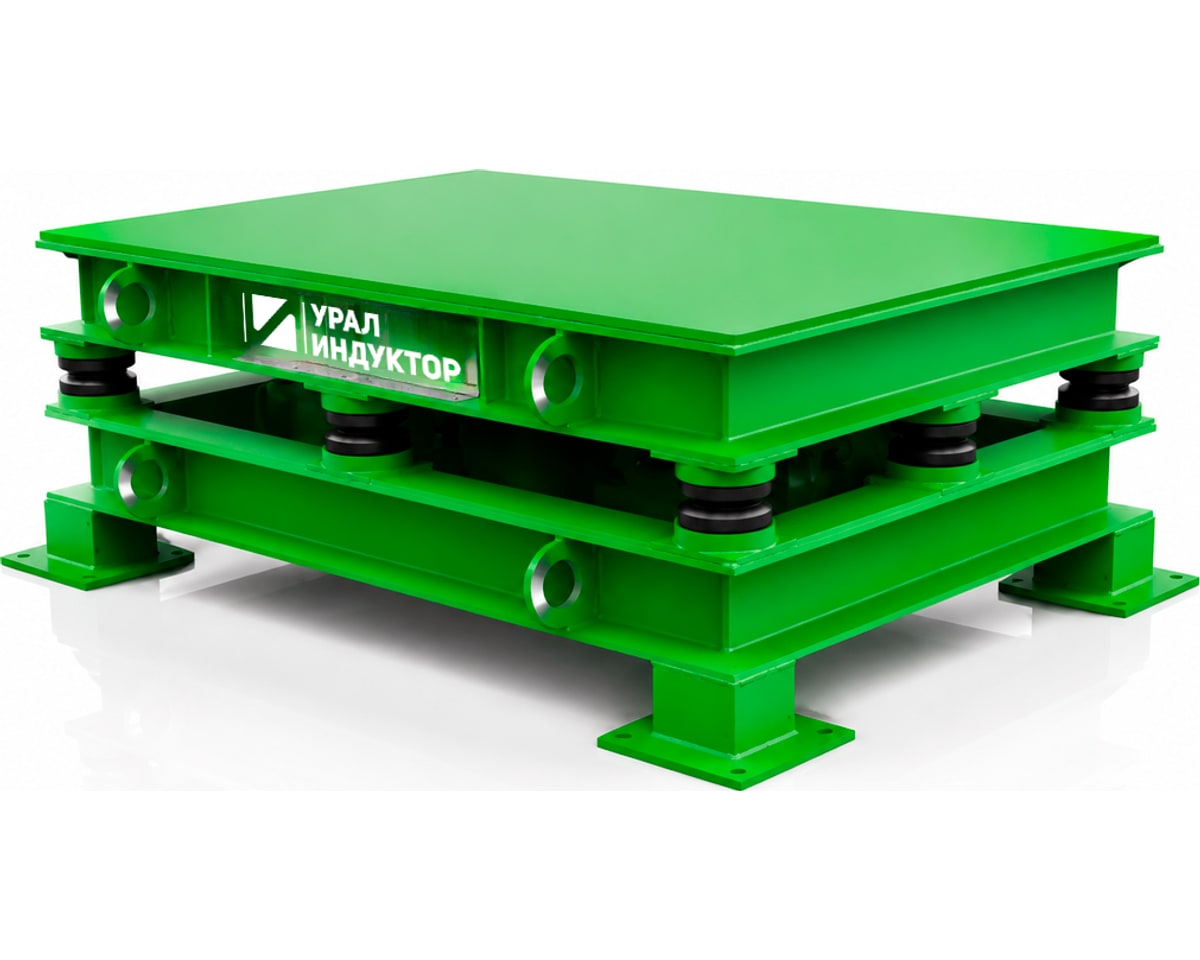
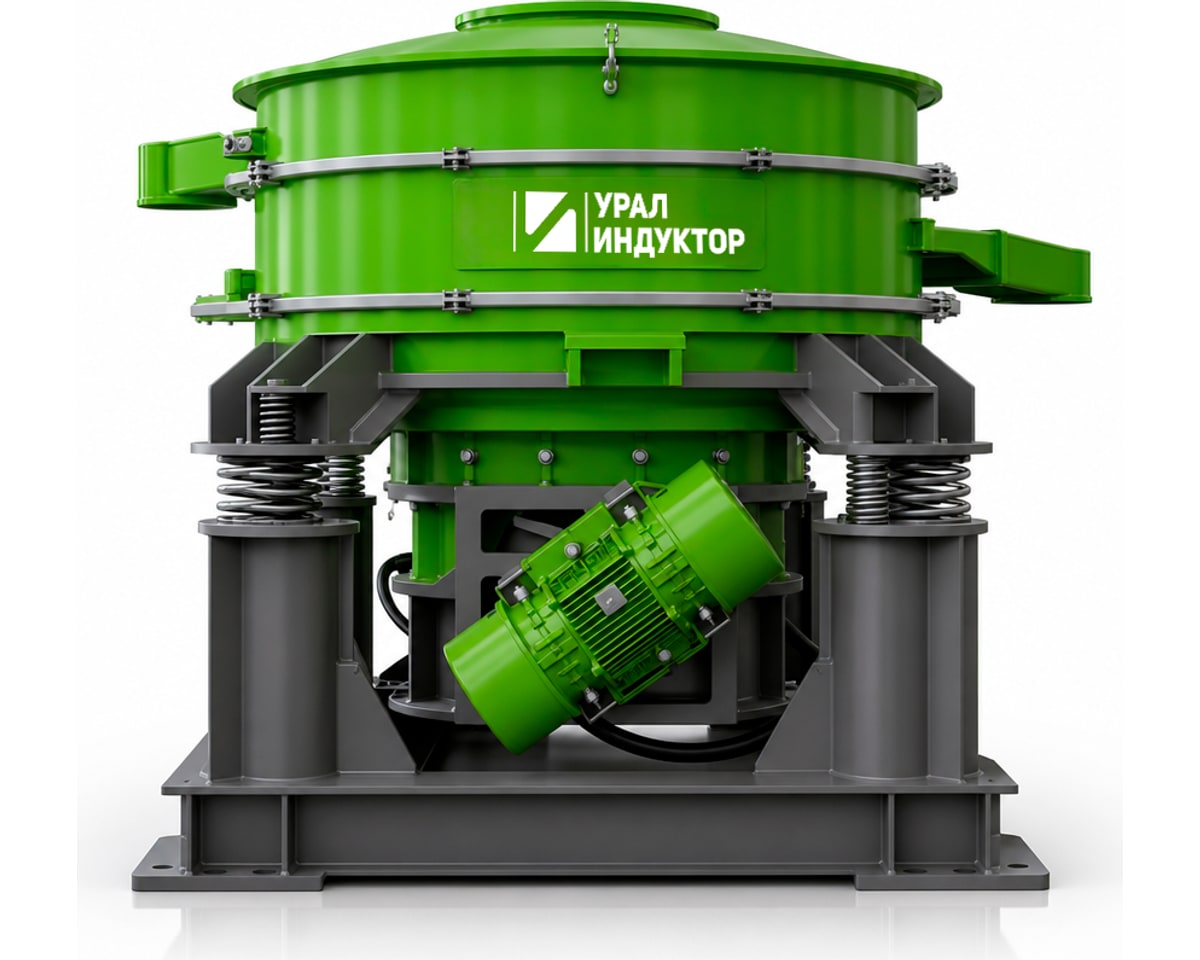
Vibrating table + uniform sealing shape

Vibration motors transmit oscillations to the movable frame with the flask. Tuned vibration helps to fill the mold evenly and reduce the risk of loose zones.

Solves "loose" shapes, uneven geometry and hidden marriage castings
by measurement
dust extraction efficiency

Impulse dust collector + closed dust extraction

Pulse cleaning of the filter bags and discharge of dust into big bags. We calculate the air flow rate from the dust load, and the result is verified by instrumental measurements after start-up.

Solves dust in the shop, fines of Rosprirodnadzor and labor protection claims
Technology by example

What the pattern, mold and casting look like in no-bake sand

The part's path begins with the pattern tooling. The self-hardening mixture forms a rigid expendable mold; after pouring, the mold is broken up and the casting is sent for cleaning and inspection.

The photos show the principle of the technology and the type of result. The equipment in the images is not a depiction of a UralInduktor supply.

Wooden foundry pattern for making an impression in the mold

Wooden foundry pattern

Pattern tooling reproduces the external geometry of the part and creates an impression in the molding mixture, which, once the pattern is removed, forms the mold cavity.

Working with a large self-hardening sand mold

Mold made of self-hardening mixture

Sand with binder hardens at room temperature. The binder system and curing mode are selected to suit the alloy and the weight of the mold.

As-cast bronze and aluminum castings with gating system

Castings after shakeout

After cooling, the mold and cores are removed, the gating system is separated, and then cleaning, inspection and machining are performed according to the drawing.

Operator working with a large no-bake sand mold

Working with a large no-bake sand mold

In the work area, the operator monitors mold preparation and performs the operations specified by the process before pouring. Tooling and lifting equipment are selected to suit the weight and dimensions of the mold.

Complex sand cores for internal passages of housing castings

Complex sand cores

Cores form the internal channels and cavities of the casting. Their strength, gas permeability and accuracy must correspond to the alloy, the part configuration and the pouring mode.

Counting on my project

Get an equipment selection and a calculation for your task

The casting engineer will contact you during the working day, specify the alloy, size of the molding flap, production program - will offer a kit for your production.

  • Mixer selection for your program — from 2 to 60 t/h depending on the version
  • Calculation of cost, timelines, supply scheme and leasing
  • Response within one working day

Counting on my project

Technical specification or equipment passport PDF, DOC, XLS, JPG or PNG, up to 10 MB
Equipment

7 functions of the molding and reclamation section

16 equipment items cover the path from mixture preparation to the processing of return sand. We determine the share of reclaimed sand from the mixture analysis and the requirements of the binder system.

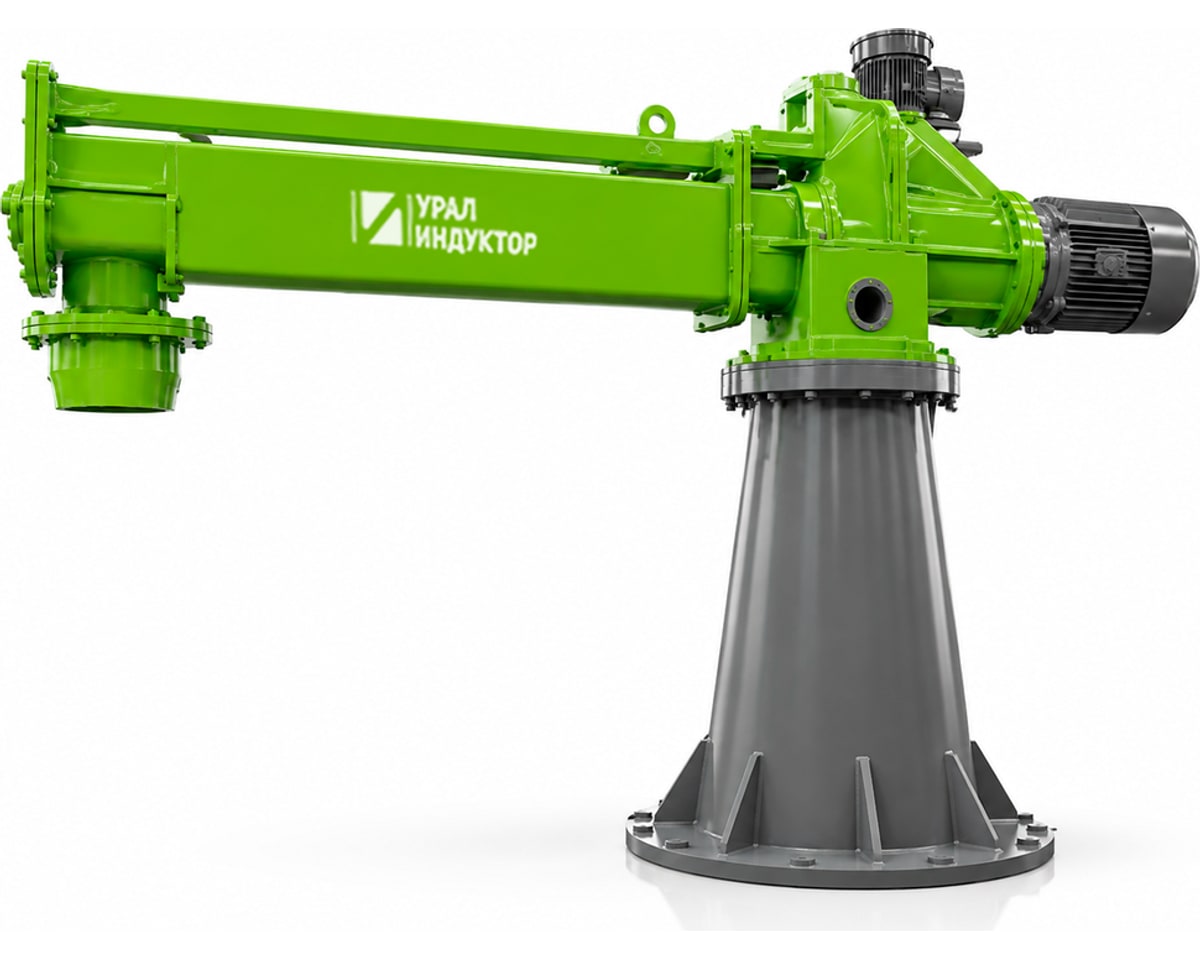
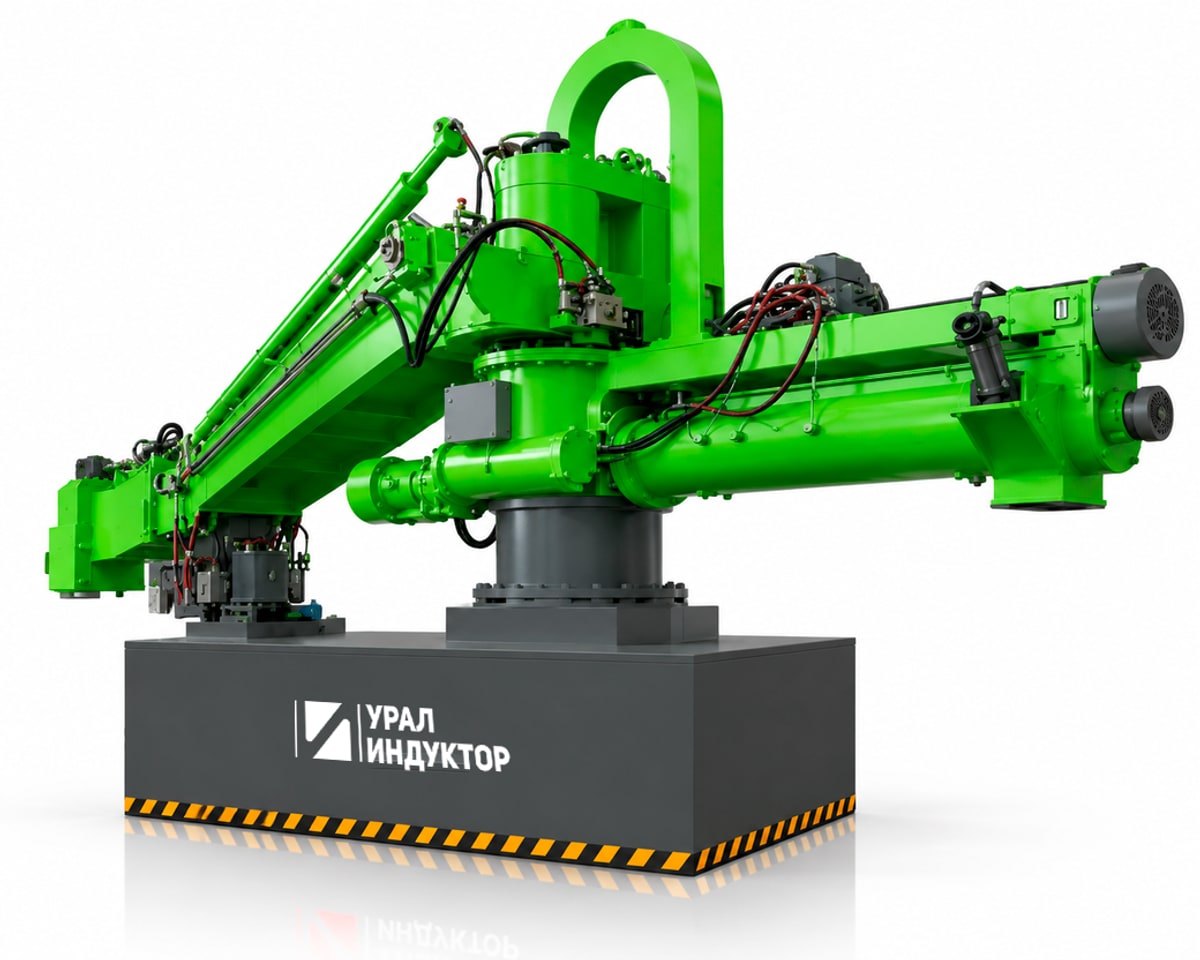
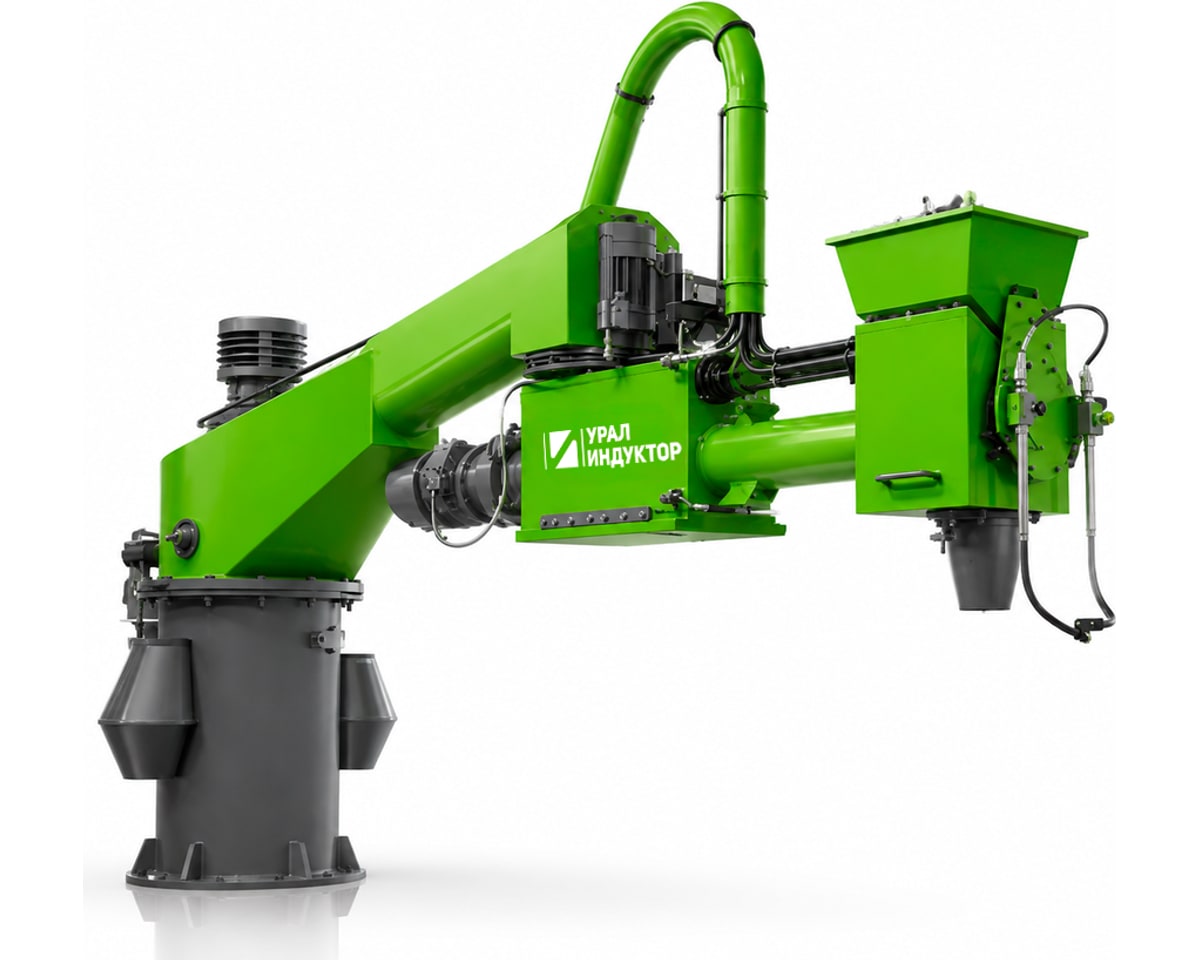
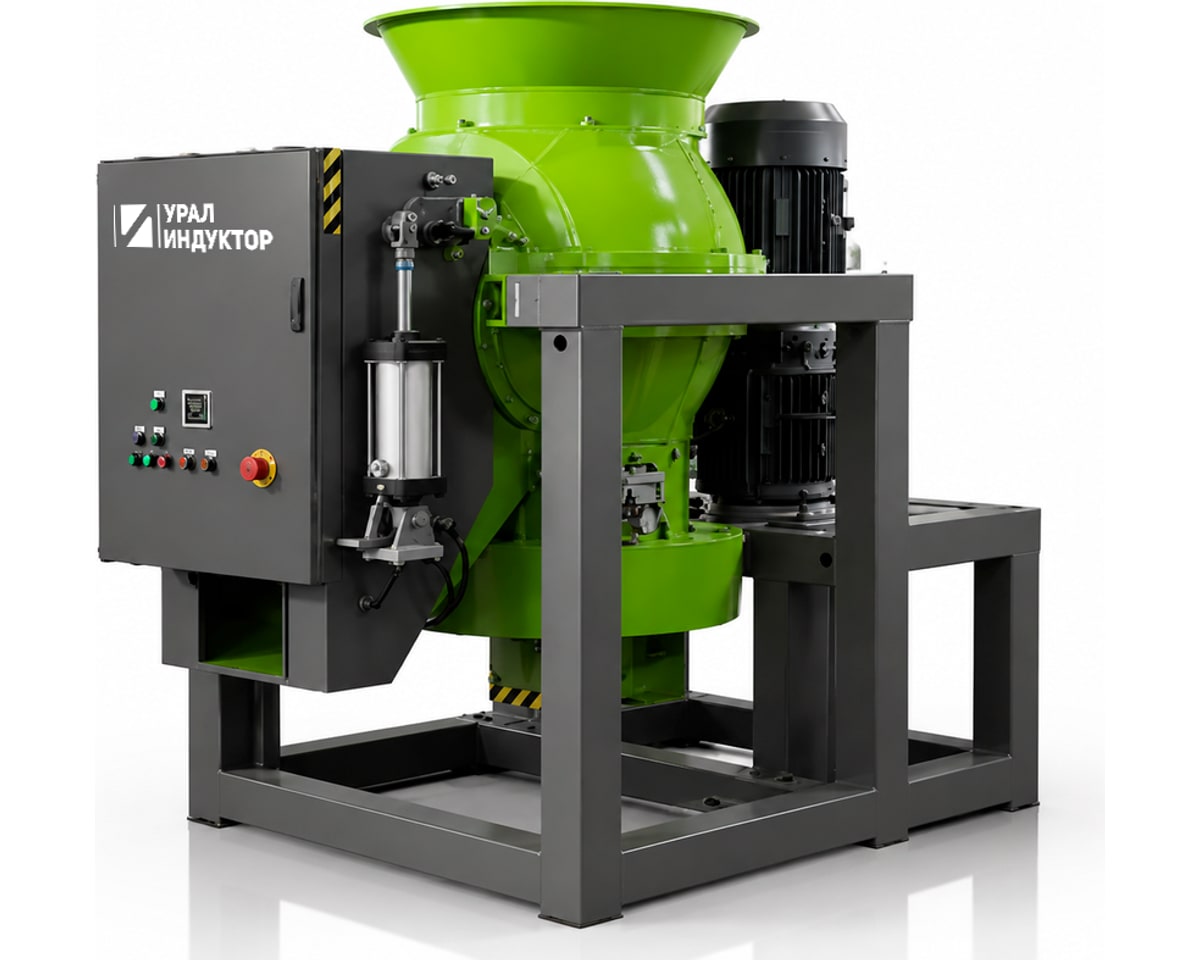
No-bake mixer

Continuous or batch operation. The published range of versions is from 2 to 60 t/h; we select pumps and the formulation according to the binder system.

Vibrating table

Stationary and movable frame with vibration motors. Tuned vibration helps to fill the mold evenly and reduce the risk of loose zones.

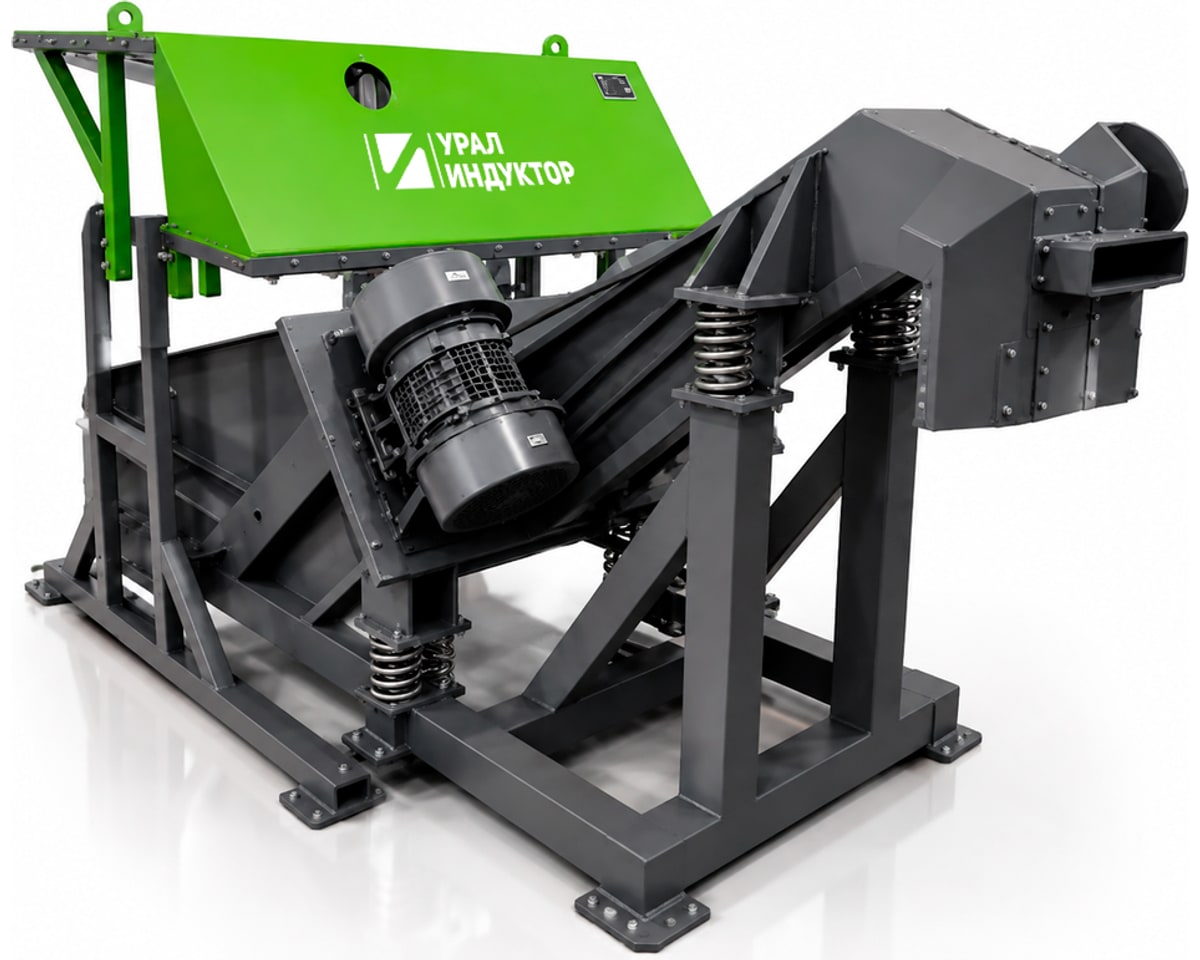
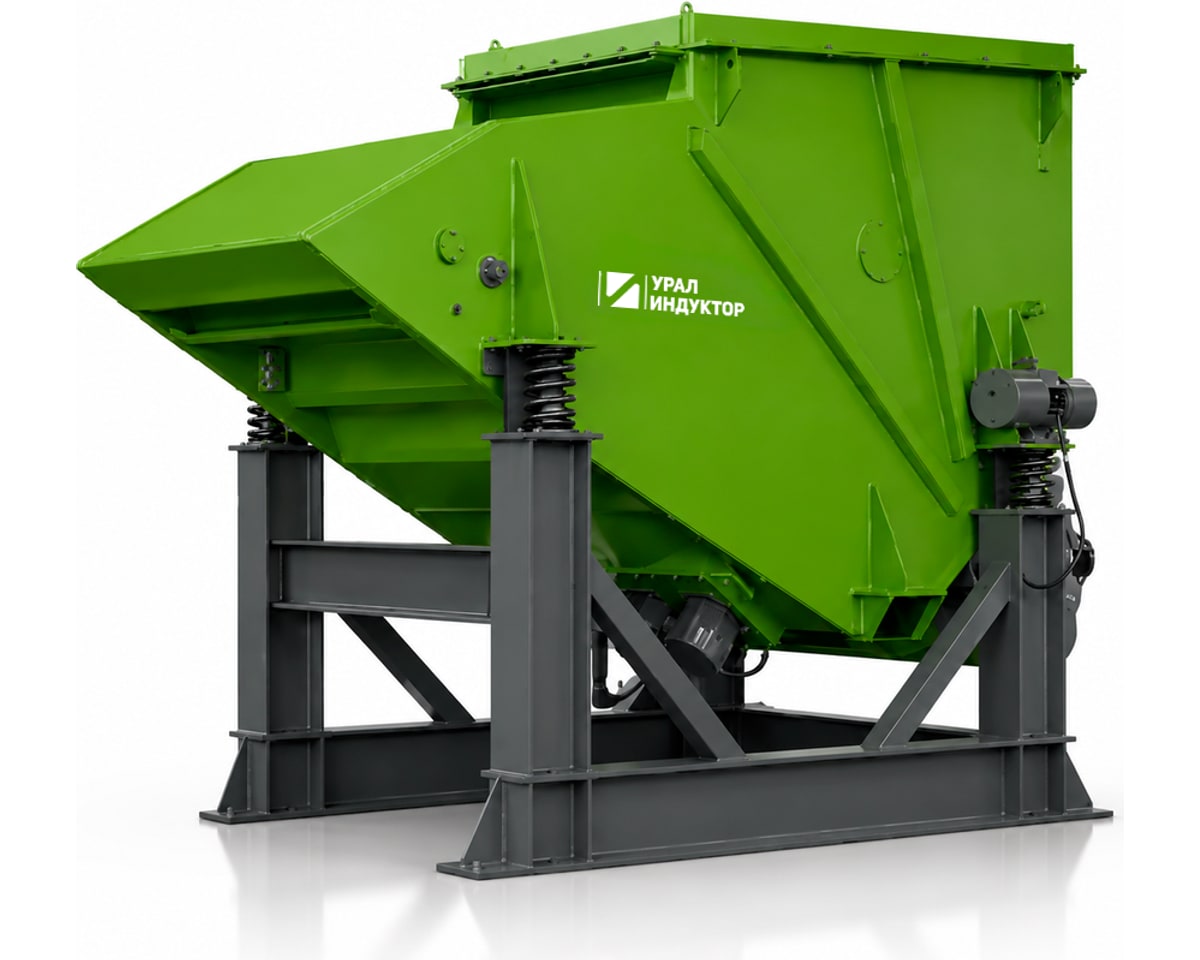
Vibratory attrition machine

Breaks up the expendable sand mold in the flask, separates the casting and sends the mixture on for further processing.

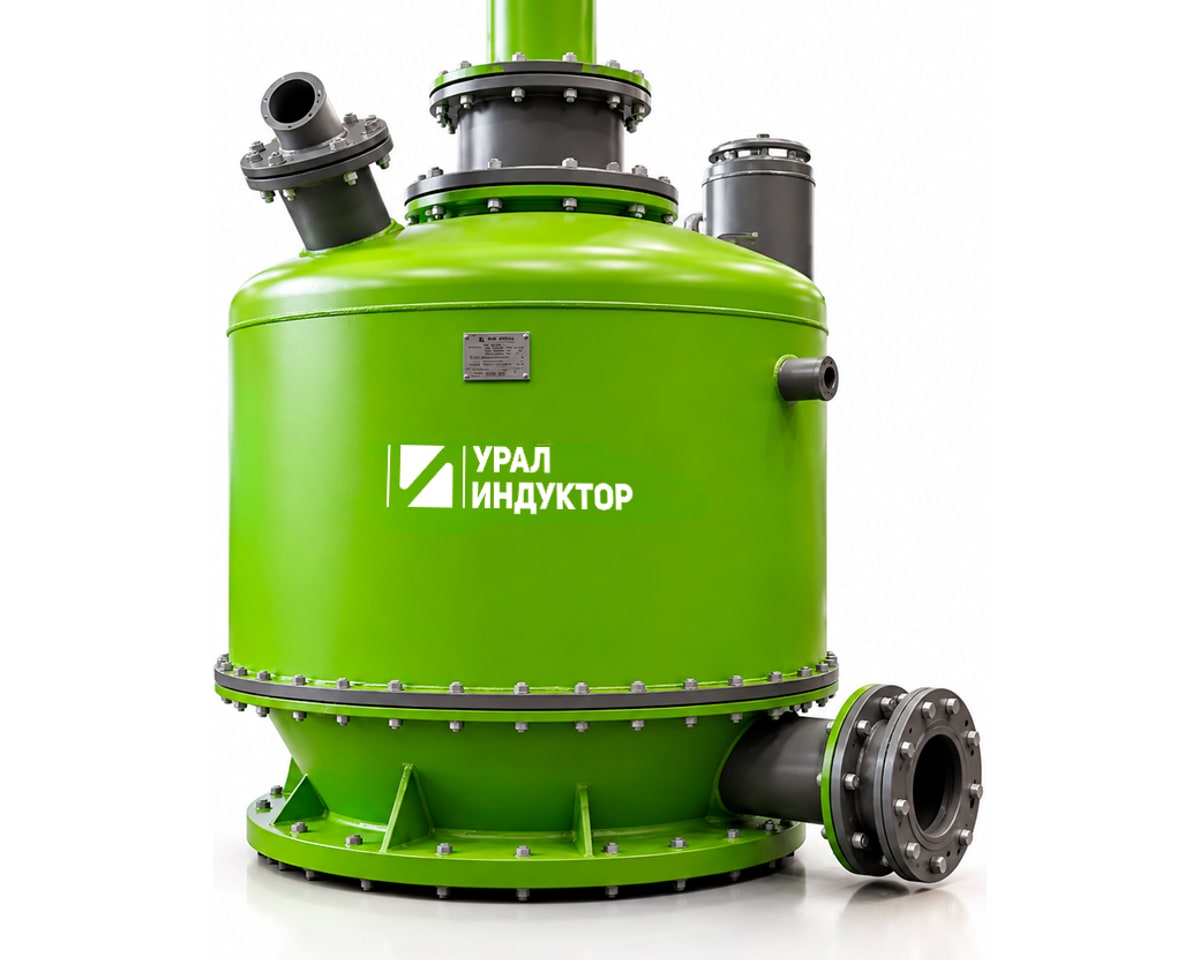
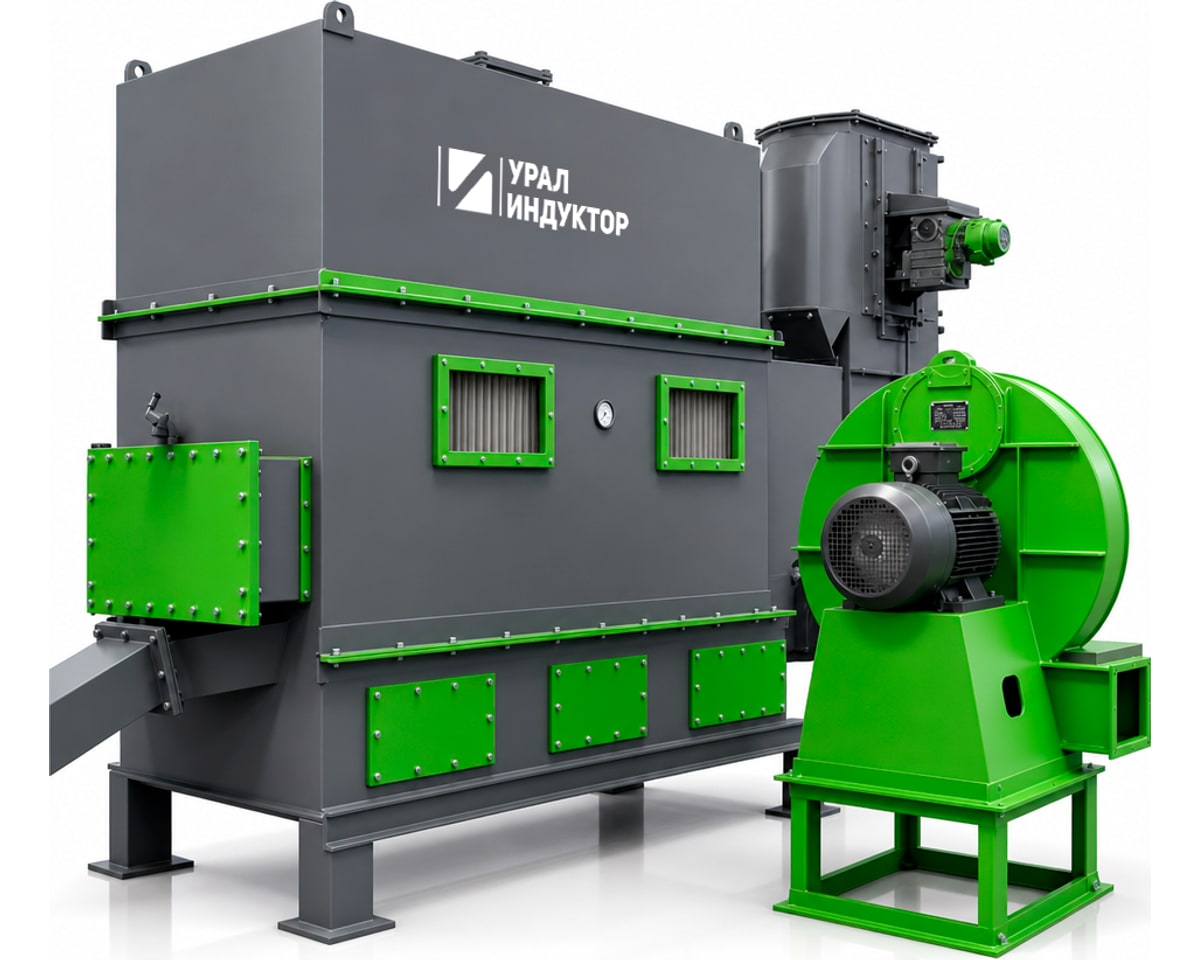
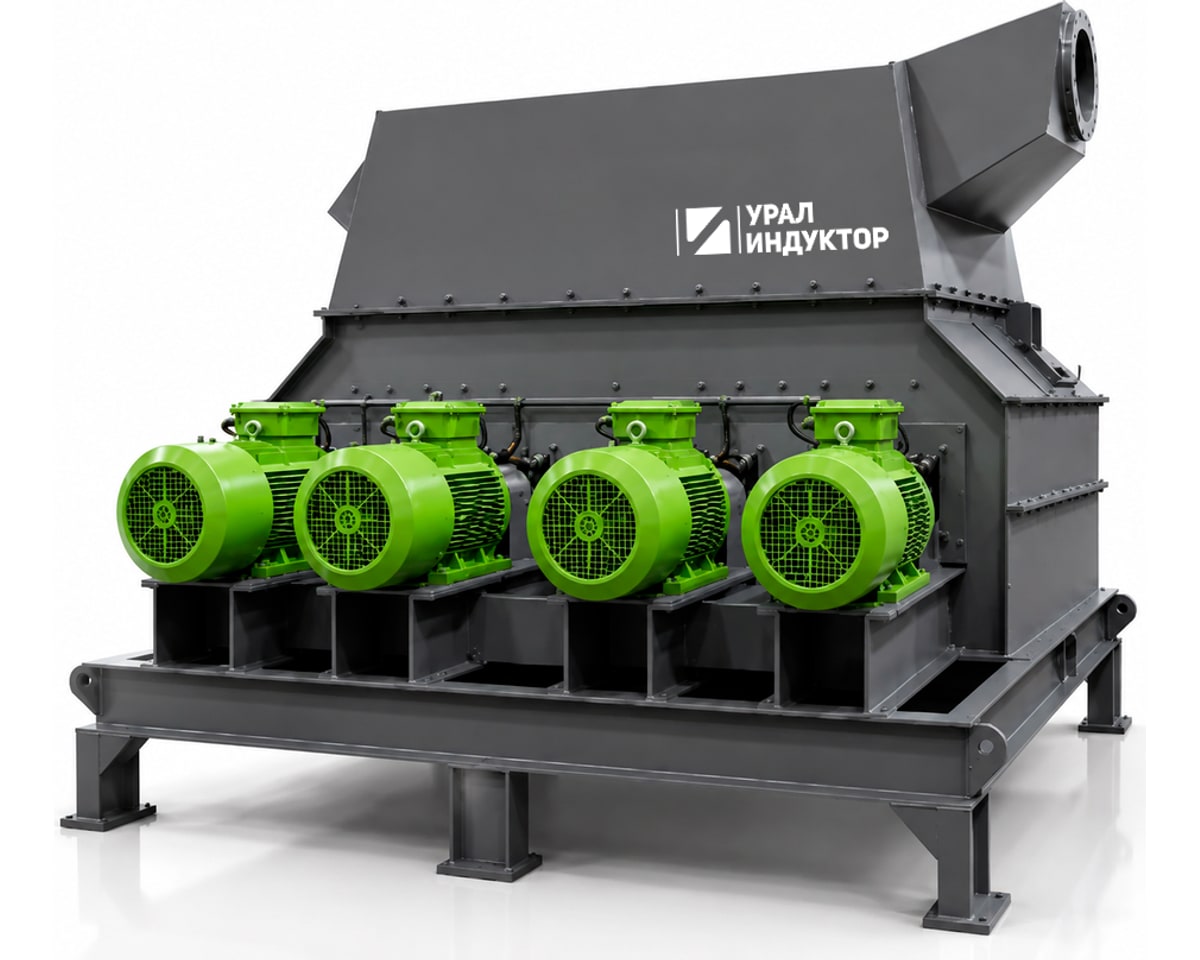
Cooling cabinet (boiling layer)

Pseudofluidized layer: the hot regenerator is fed on one side, passes through the volume, is cleaned of dust and cooled to the working temperature of the mixer.

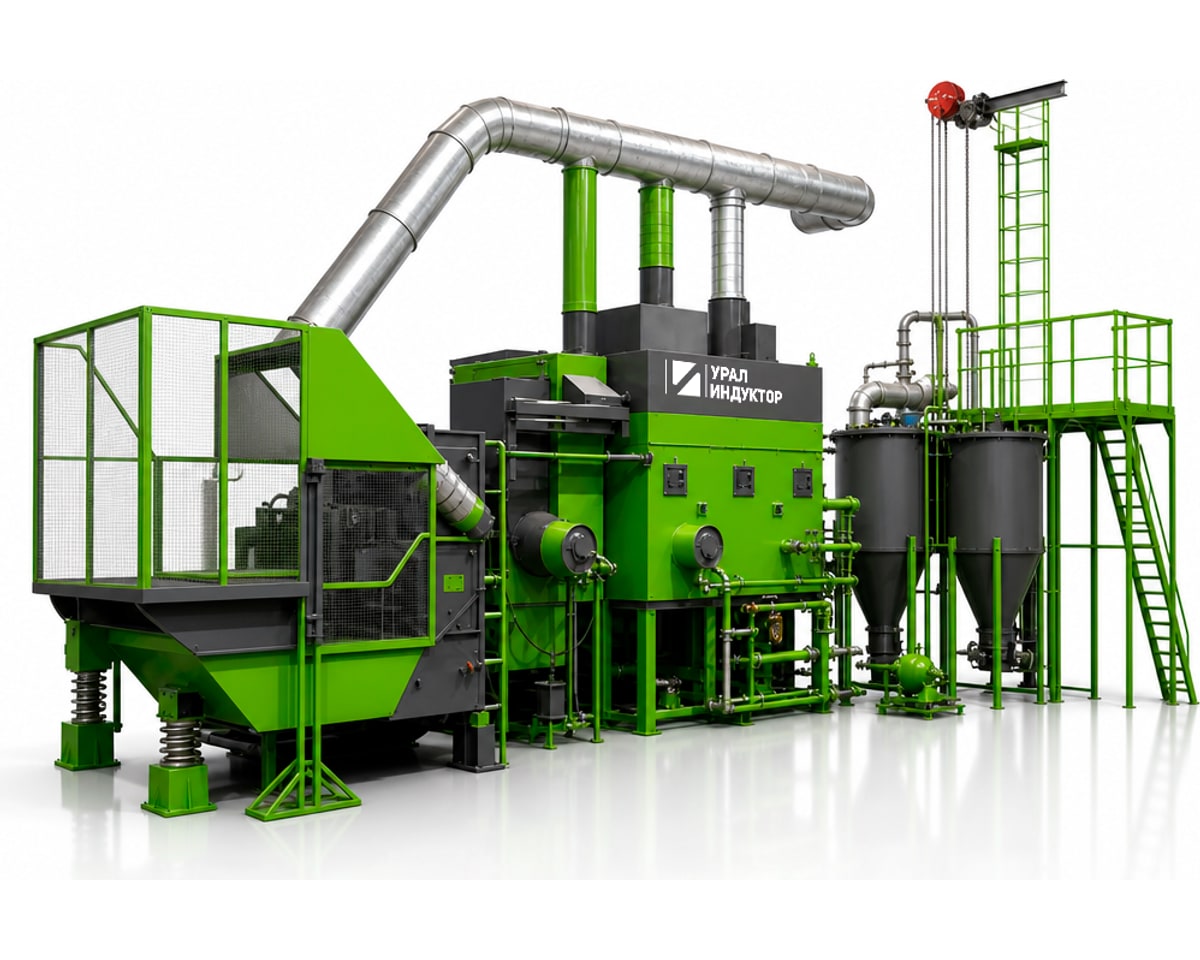
Reclamation Line

Integrated system: mold breakdown, cooling, conveying, dedusting and control. A productivity of 3–15 t/h is published for the УИ-ЛР line; we calculate the return rate from samples.

Pneumatic conveying system

Chamber pump - lifts the regenerator from the cooling cabinet to the consumable hopper of the mixer. Knee Ø 400 mm minimizes wear.

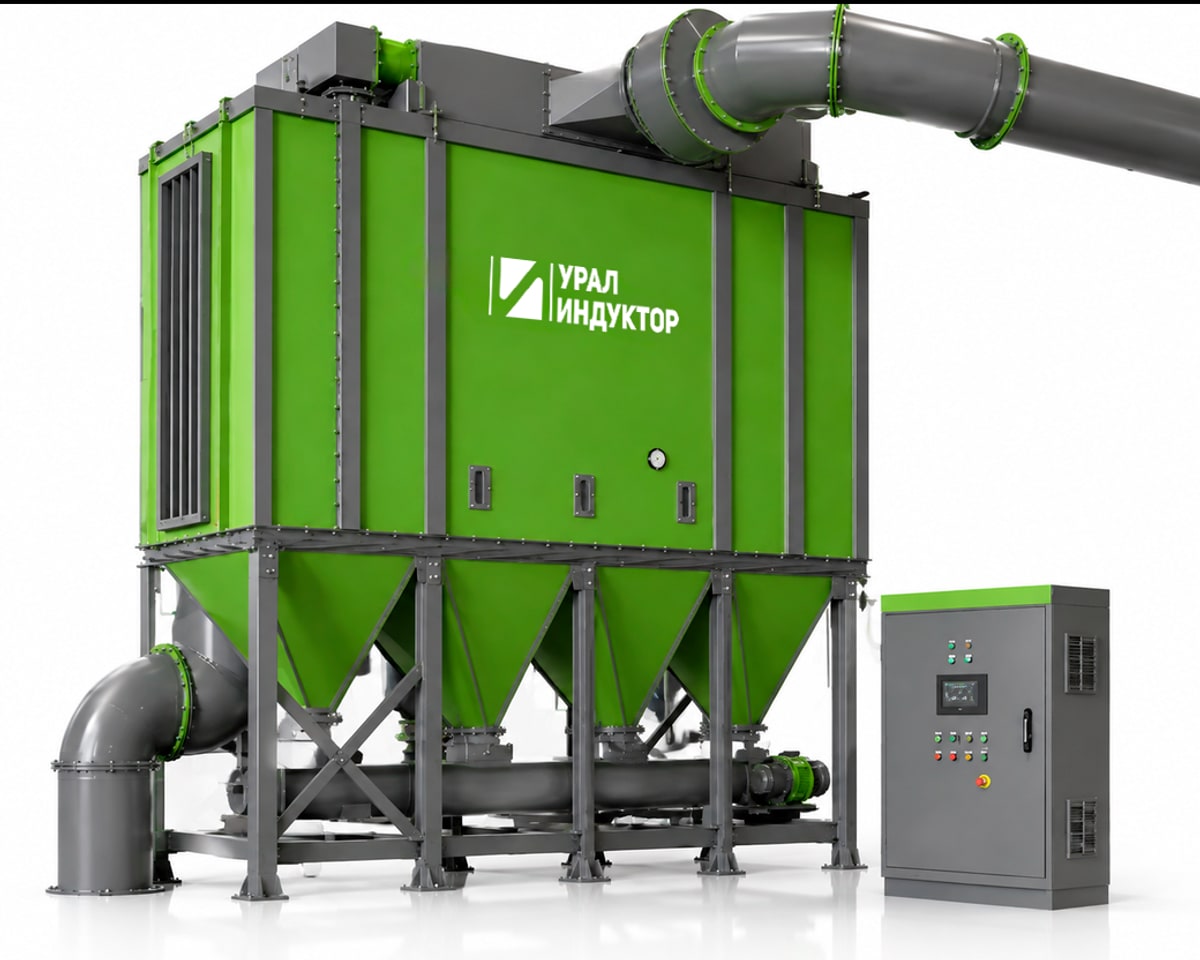
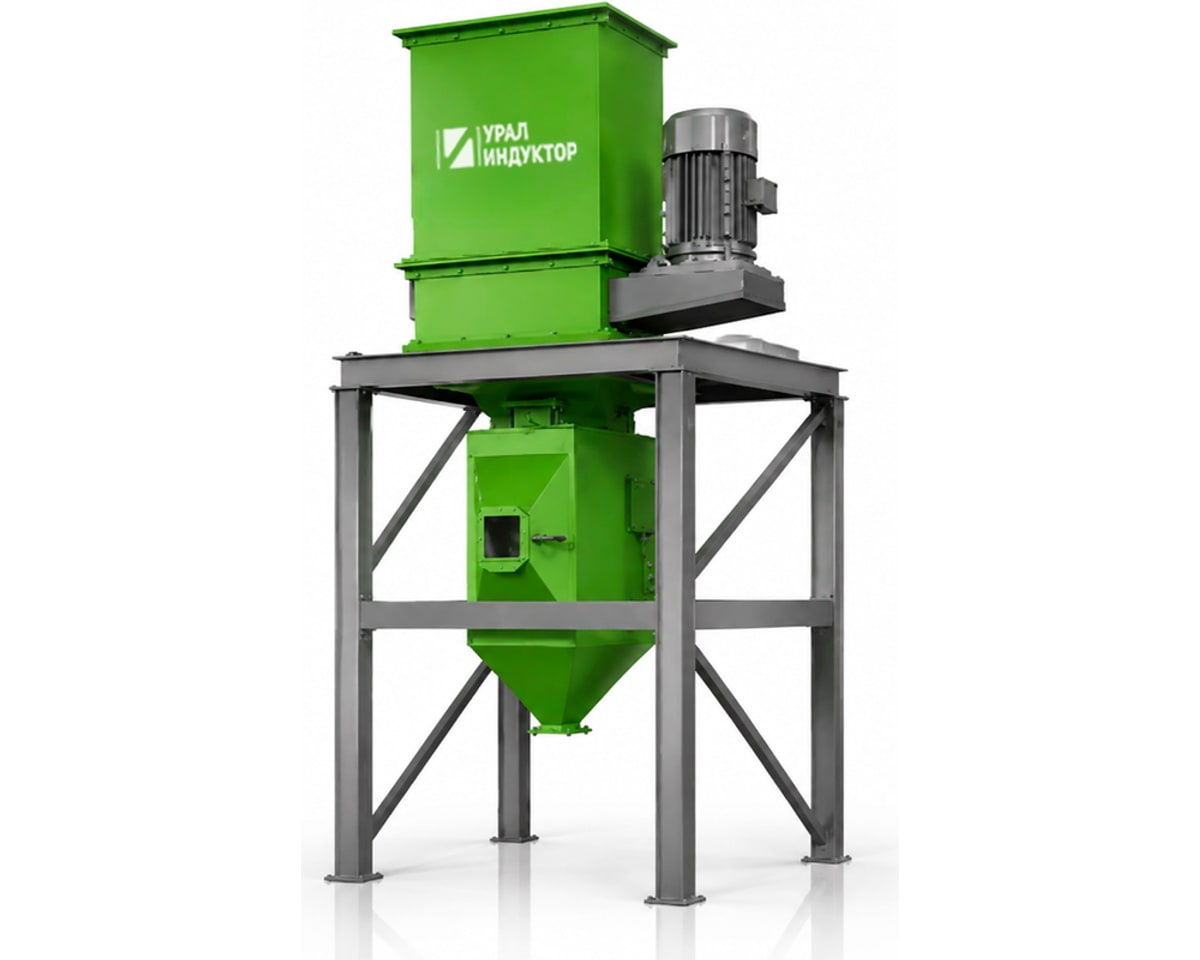
Impulse Dust Collector

Polyester filter sleeves, pulse regeneration with compressed air, pyramid bunker with unloading in big bags.

Engineering, supply and service

Full cycle under single responsibility — from project to servicing

UralInduktor is an engineering company: design, supply, supervision and service under one responsibility. Delivery, installation supervision and service in Astana and Kazakhstan.

01

Designing

The engineering center calculates the nodes for your alloy, size of the molding flask, production program and site conditions. We do not sell a catalog - we collect a solution for the task.

02

We complete and supply

We select and supply equipment and line nodes for the project. Entrance control and acceptance by our engineers. ZIP for critical components - from a warehouse in Kazakhstan.

03

Installation and maintenance

Installation supervision, commissioning, operator training. The term and scope of the warranty are fixed in the contract and in the passport of the specific equipment. We provide service, repair and modernization.

Warranty under the contract
We state the terms for each item and each scope of work
Warehouse ZIP in Kazakhstan
We agree on the product range and the delivery time for the project
Documents for audit
Passports, manuals, certificates and acceptance reports — the contents of the set are fixed in the contract
Economics of Reclamation

We calculate the economics from your sand mixture balance

The consumption of fresh sand and binder depends on loss on ignition, grain size distribution, the type of binder system, the product mix and the reclamation mode.

What the calculation includes

We record the initial data before selecting the line configuration

ParameterInitial dataCalculation result
Material balanceSand, binder, hardener or catalyst, wasteMake-up and return rate
ReclamationLoss on ignition and grain fractionConfiguration and productivity of units
OperationEnergy, dust extraction, personnel, disposalCost per ton of mixture
InvestmentsScope of supply, installation, infrastructurePayback period by scenario
Economic effect
Calculation

based on sand samples, actual material consumption and the customer's prices

We fix the return rate and payback only after analyzing the mixture, the production program and the supply boundaries.
Our Process

From initial data to start-up — on an agreed schedule

The design, manufacturing and commissioning times are determined after the line composition, the technical specification and the site readiness are fixed; the schedule is set in the contract. The leasing terms are confirmed by the selected leasing company.

After the technical specification

Initial data

We clarify the alloy, casting drawings, program, sand, binder system, flasks and existing infrastructure.

After measurements

Project and proposal

We fix the scope of supply, productivity, layout, utility requirements and the acceptance program.

Per contract

Manufacturing and kitting

Node assembly in Kazakhstan. Payment in stages.

When ready

Installation, setup and acceptance

We carry out installation supervision, set up the mixer and reclamation modes, train operators and conduct the agreed test program.

Frequently Asked Questions

Answers to the key questions

If you do not find the answer - call, the engineer will deal with your situation personally.

What is a no-bake process and how is it different from green sand?

No-bake sand — mixtures for molds and cores that harden at room temperature. Depending on the binder system, a liquid hardener or catalyst, a gas reagent or an inorganic system is used. Compared with green sand, a rigid mold helps to hold the geometry more accurately; the actual quality depends on the tooling, formulation and pouring mode.

Do you make the whole no-bake area turnkey?

Yeah. Full set - mixer, vibrating table, vibration wiper, cooling cabinet, pneumatic transport, dust collector, reclamation line. Plus design, installation, commissioning and training of operators. We integrate melting furnaces with your park or select a partner.

We already have an import line (Knkel-Wagner, Omega, Foundry-Service). Can you replace one node?

Yes, this is a common task. An engineer will visit the site, take measurements and record the technical characteristics, after which we will select and integrate a compatible unit: a mixer, vibrating table, cooling cabinet or pneumatic conveying. We will coordinate the installation plan with your production schedule. We also include the supply of spare parts kits and modernization in the project.

Under what alloys and sizes can the molding flask?

Ferrous and non-ferrous alloys — cast iron (gray and ductile), carbon and alloy steels, bronzes, brasses, aluminum. The published reclamation range lists flasks from 800×800 to 1800×1800 mm; we verify suitability for your product mix and annual program by calculation.

How much is the plot?

The cost depends on productivity, line composition, automation, site condition and the scope of supply. We prepare the calculation after receiving the technical specification.

Can it be leased?

We help prepare technical and commercial materials for a leasing application. The availability of the program, the advance payment, the term and the rate are determined by the selected leasing company after review.

Which binder systems are compatible with the mixer?

We determine compatibility and the composition of the dosing circuits from the component data sheet and the technical specification. For furan, phenolic, alphaset, silicate-CO₂ and other processes, the number of circuits, seal materials and curing mode differ.

What documents do you give for the equipment?

Passports for each unit, certificates, operating manuals, commissioning programs, process charts, acceptance reports. We agree on the requirements of a specific acceptance or audit before the contract is signed.

In touch with you

Let's discuss your task

  • Main contact number+7 (775) 853-40-95Sales department and engineering centre
  • Emailstasgross.ru@gmail.comResponse during the working day
  • Main office addressAstana, Saryarka district, Radisson hotel, office 4
  • Office hoursMon–Fri, 9:00–18:00GMT+5 (Astana)
Compare offers

We'll prepare a technical proposal

Send us your initial data or a commercial proposal for the no-bake sand line — we will compare the scope of supply, specifications and service, then calculate the cost for your task.